
Polyurethane Floor Finishes
Resilient protective polyurethane coats available in matte, satin, semi-gloss, or gloss. Serving residential homeowners across Powder Springs, Cobb County, and metro Atlanta.
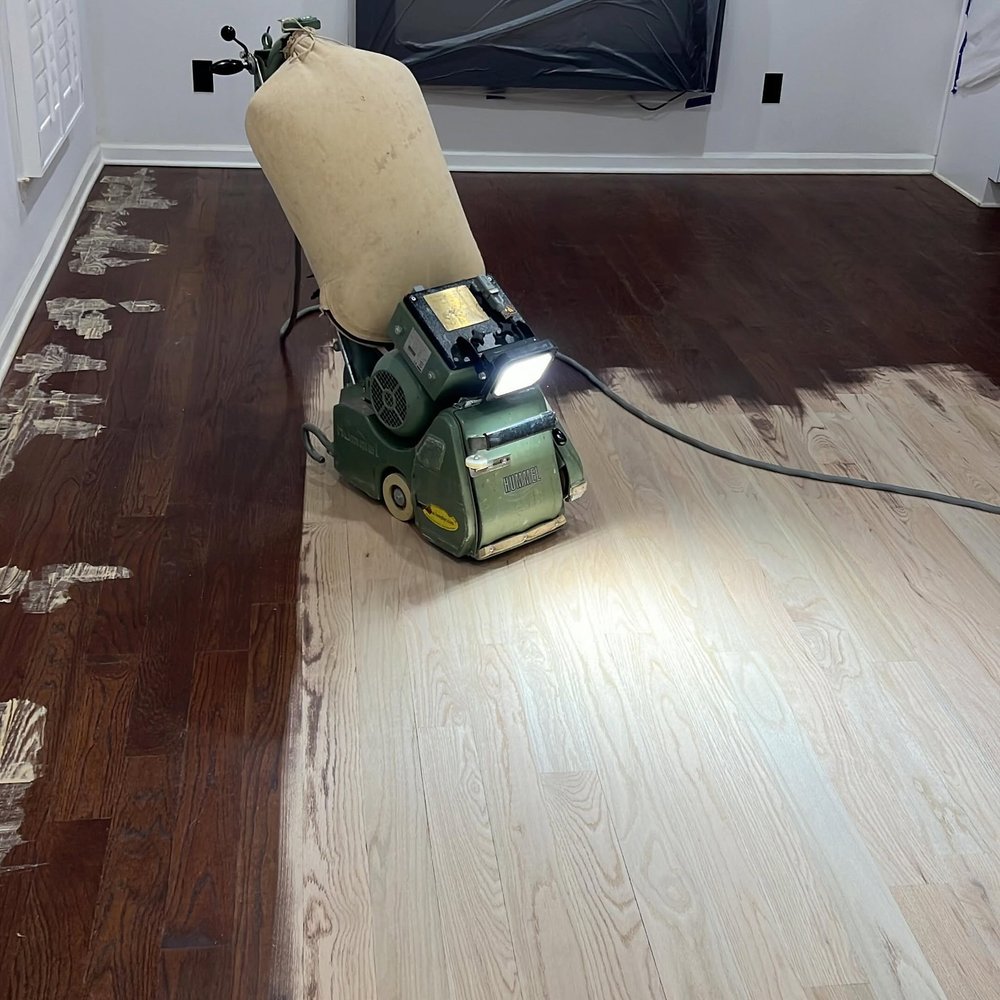
Polyurethane Finishes
The finish is what stands between your wood and the world. Stain gives you color, but the finish is the clear protective coat that seals the wood, resists scratches and spills, and determines how the floor looks and wears for years. At Wala Hardwood Floors LLC, we apply polyurethane finishes to residential floors across Powder Springs, Cobb County and metro Atlanta, and our two person team has been doing it since 2021.
Choosing a finish is not a one size fits all decision. Oil based and water based finishes behave differently in color, odor, dry time, and how they age. Sheen, from matte to gloss, changes both the look and how the floor performs underfoot. The number of coats and the cure time affect how long the floor lasts and how soon you can live on it.
We work residential only, we give free in home quotes, and we are available Monday to Saturday from 8:00 AM to 6:00 PM. We do not push one finish over another, We explain the tradeoffs and help you choose the finish that fits how you actually live on the floor.
Oil Based Versus Water Based Finishes
Oil based polyurethane tends to amber the wood over time, giving it a warm, slightly yellow tone that deepens as the finish ages. It has a noticeable odor during application and dry time, and it generally takes longer to dry between coats and to fully cure. Many homeowners like the warm, traditional look an oil based finish develops.
Water based polyurethane stays clearer over time and does not amber the wood the way oil based does, which is why it is popular for lighter stains and natural finishes where you want the wood color to stay true. It has less odor during application, dries faster between coats, and lets you get back on the floor sooner. Each has its place, and we talk through which fits your stain choice, your timeline, and your tolerance for odor and dry time.
Sheen Levels From Matte to Gloss
Sheen is how shiny the finish is, and it runs from matte, the flattest, through satin, semi gloss, and gloss, the shiniest. Sheen changes both the look and the practical performance of the floor. A higher gloss finish reflects more light and can make a room feel brighter and more dramatic, but it also shows dust, footprints, and scratches more readily.
A matte or satin finish hides dust and minor wear better and tends to read as more natural and contemporary, which is why it has become popular in modern homes. We talk through the tradeoff between the dramatic look of a gloss finish and the forgiving, lived in look of a matte or satin finish, and we consider the room and the household when we recommend a sheen.
How Many Coats and Why It Matters
A finish is built on in coats, and the number of coats affects how well the floor is protected, More coats generally mean better wear resistance and a longer lasting floor, but each coat needs proper dry time before the next goes on. Rushing the dry time between coats is how you trap issues and end up with a finish that fails early.
We apply the right number of coats for the product, the room, and the level of traffic the floor will see, with the proper dry time between each. A high traffic entry or hallway deserves a more robust finish build than a low traffic formal living room, and we plan the coats accordingly.
Dry Time Versus Cure Time
Dry time and cure time are two different things, and understanding both is key to protecting a new finish. Dry time is when the finish is dry enough to walk on carefully, usually in socks, and to take light traffic. Cure time is the longer period during which the finish continues to harden fully, and during cure the finish is still vulnerable to scuffs, scratches, and damage from furniture and shoes.
We walk you through both timelines for your specific finish. Walking on the floor too early, dragging furniture across it before it is cured, or wearing shoes before the cure period is up can mark a finish that would otherwise have lasted for years. Clear expectations on dry and cure time protect your investment.
Caring for a New Finish
A new finish needs a little care in its early life to reach its full lifespan, We explain what to keep off the floor during the cure period, when it is safe to walk in socks versus shoes, when furniture can go back, and how to clean the floor once it is fully cured without damaging the finish.
We also talk through ongoing maintenance, because how you clean and care for the floor over the years affects how long the finish lasts before it needs a buff and recoat or a full refinish. The right cleaning approach and a sensible maintenance schedule extend the life of the finish considerably.
How We Apply a Polyurethane Finish
A good finish is built up in coats with the right dry time between each, and our process protects the floor through the vulnerable cure period.
- 1
Quote and Finish Plan
We talk through oil based versus water based, sheen, and the number of coats that fit your room and traffic. You get a clear quote.
- 2
Prep the Sanded Floor
We confirm the floor is properly sanded and clean, with no dust or debris that could get trapped under the finish.
- 3
Coat Application
We apply the finish in the right number of coats, with the proper dry time between each, building up the protective layer.
- 4
Dry Time Management
We manage the dry time between coats and before foot traffic so nothing gets trapped and the finish cures cleanly.
- 5
Cure Guidance and Walkthrough
We walk the finished floor with you and explain the dry time, the full cure period, and how to care for the new finish.
Is a New Polyurethane Finish Right for My Floor?
A new polyurethane finish is the right call as part of a refinish, when the old finish is worn through, or when you want to change the sheen or the look of the floor. It is the protective layer that determines how the floor wears, and choosing it well is what makes a refinish last.
If your finish is only lightly worn and the wood underneath is not scratched, a buff and recoat may be enough without a full sand. We tell you honestly during the quote whether your floor needs a full refinish with new finish, or whether a lighter buff and recoat will do the job.
Service Area Coverage
Based in Powder Springs, GA, we provide polyurethane finishes to homes in Cobb County (Powder Springs, Austell, Marietta, Mableton, Kennesaw, Smyrna, Acworth), Paulding, Douglas, Carroll, North Metro, and South Metro Atlanta. See the full list on our service areas page.
Polyurethane Finishes
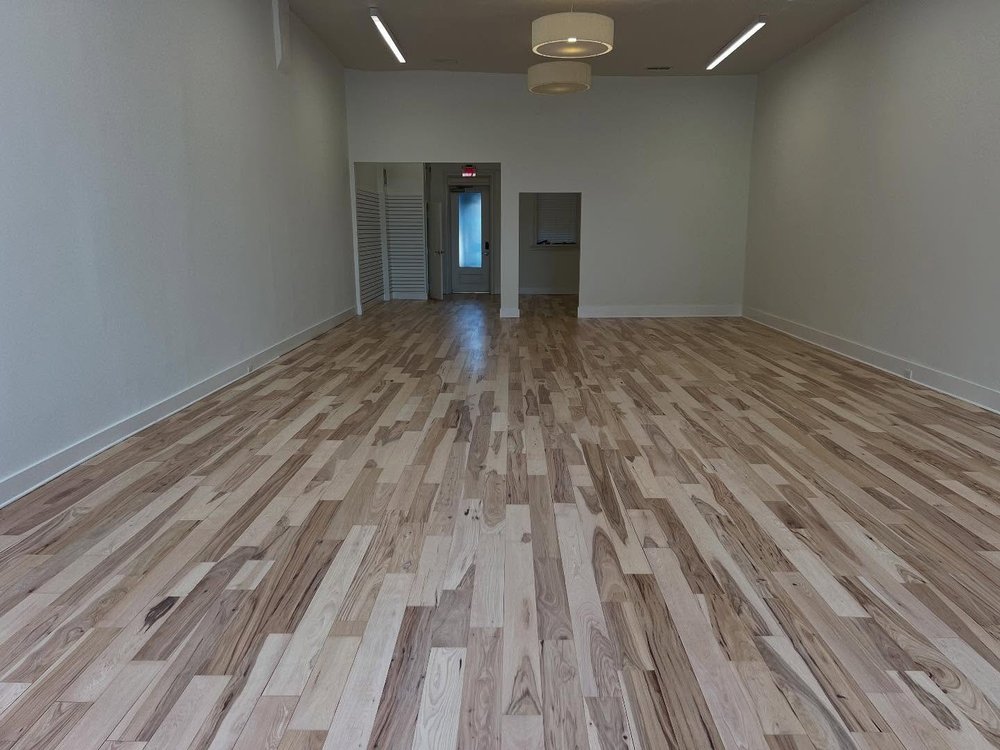
Refinished hardwood floor with a fresh clear topcoat by Wala Hardwood Floors
Get Your Free Quote
Tell us about your residential flooring project. We respond promptly Monday to Saturday.
Polyurethane Finishes FAQ
What is the difference between oil based and water based polyurethane?
Oil based tends to amber the wood over time for a warm, traditional look, has a noticeable odor, and dries slower. Water based stays clearer so the wood color stays true, has less odor, and dries faster. Each has its place depending on your stain, timeline, and odor tolerance.
Which sheen should I choose for my floors?
It depends on the look and the household. Higher gloss reflects more light and looks dramatic but shows dust and scratches more. Matte or satin hides dust and minor wear and reads as more natural and contemporary. We consider the room and how you live on the floor when we recommend a sheen.
How many coats of finish does my floor need?
It depends on the product, the room, and the traffic level. More coats generally mean better wear resistance, but each coat needs proper dry time before the next. High traffic areas deserve a more robust finish build than low traffic rooms.
What is the difference between dry time and cure time?
Dry time is when the finish is dry enough for careful foot traffic, usually in socks. Cure time is the longer period during which the finish keeps hardening and is still vulnerable to scuffs and scratches. We walk you through both timelines so you do not mark the finish early.
When can I walk on my newly finished floor?
You can usually walk on in socks after the initial dry time, but shoes, furniture, and normal traffic need to wait through the longer cure period. We give you the exact timeline for your finish so nothing marks it before it is ready.
How do I clean and care for a new polyurethane finish?
We explain what to keep off the floor during cure, when furniture can go back, and how to clean the floor once it is fully cured without damaging the finish. The right cleaning approach and a sensible maintenance schedule extend the life of the finish considerably.
Do I need a full refinish or just a buff and recoat?
If the finish is only lightly worn and the wood is not scratched, a buff and recoat may be enough without a full sand. If the finish is worn through or the wood is damaged, a full refinish with new finish is the right call. We tell you honestly during the quote which path fits your floor.
Pair This With
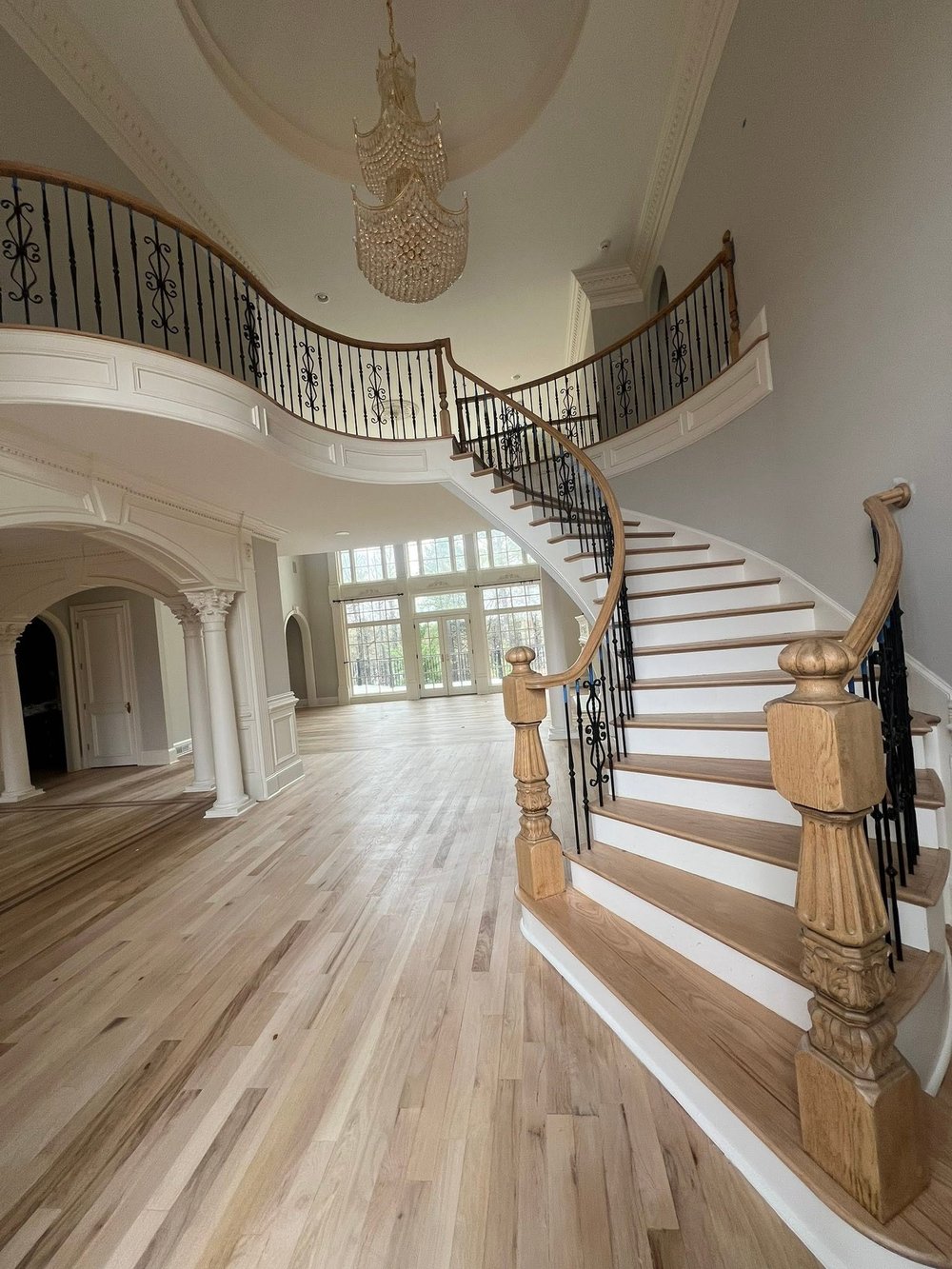
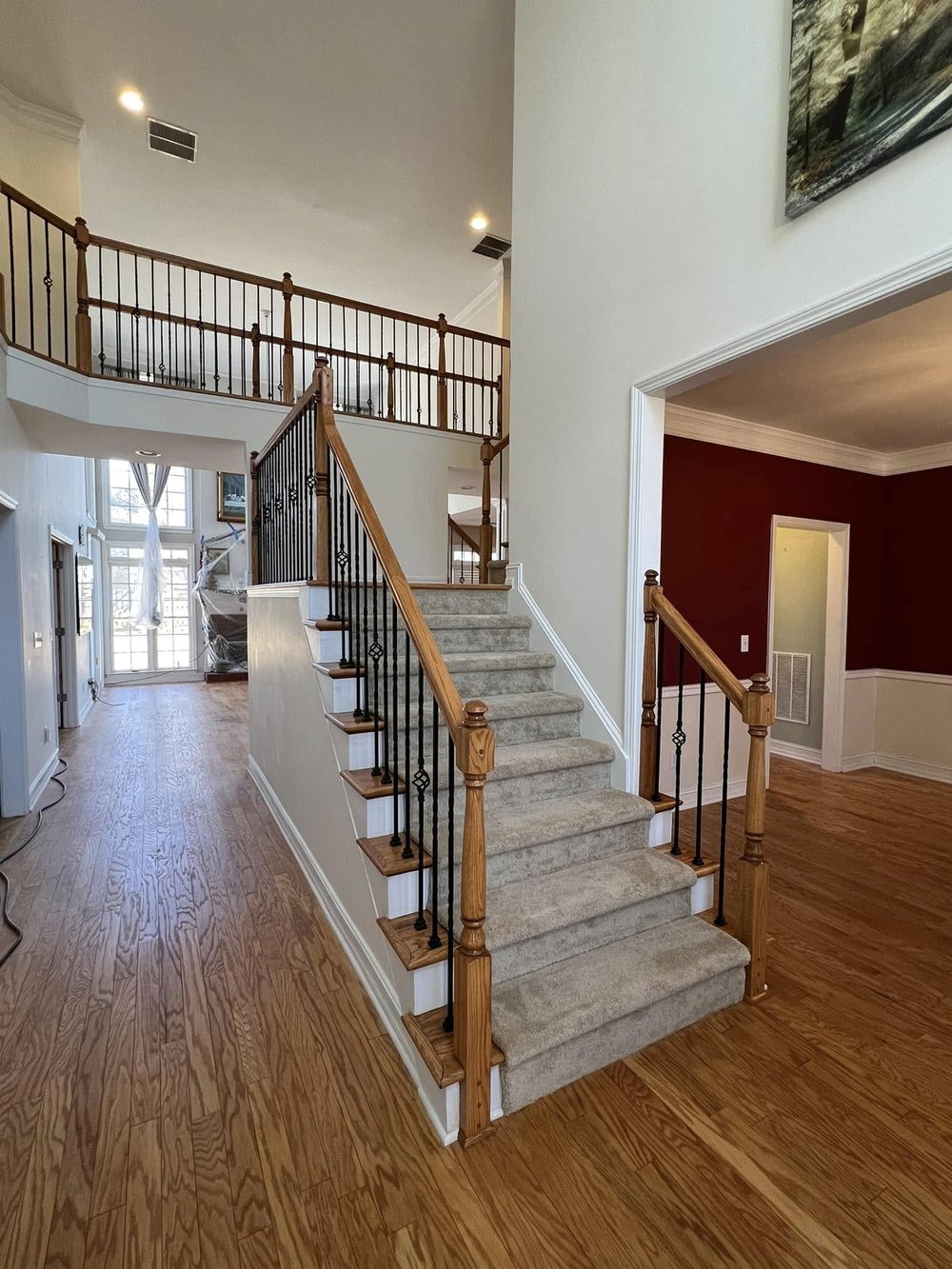
A Finish Built to Last
The right finish type, sheen, and coat count, with proper dry and cure time, is what makes a refinish last for years.