
Hardwood Floor Repair
Seamless board replacements, scratch remediation, and targeted fixes blending with existing planks. Serving residential homeowners across Powder Springs, Cobb County, and metro Atlanta.
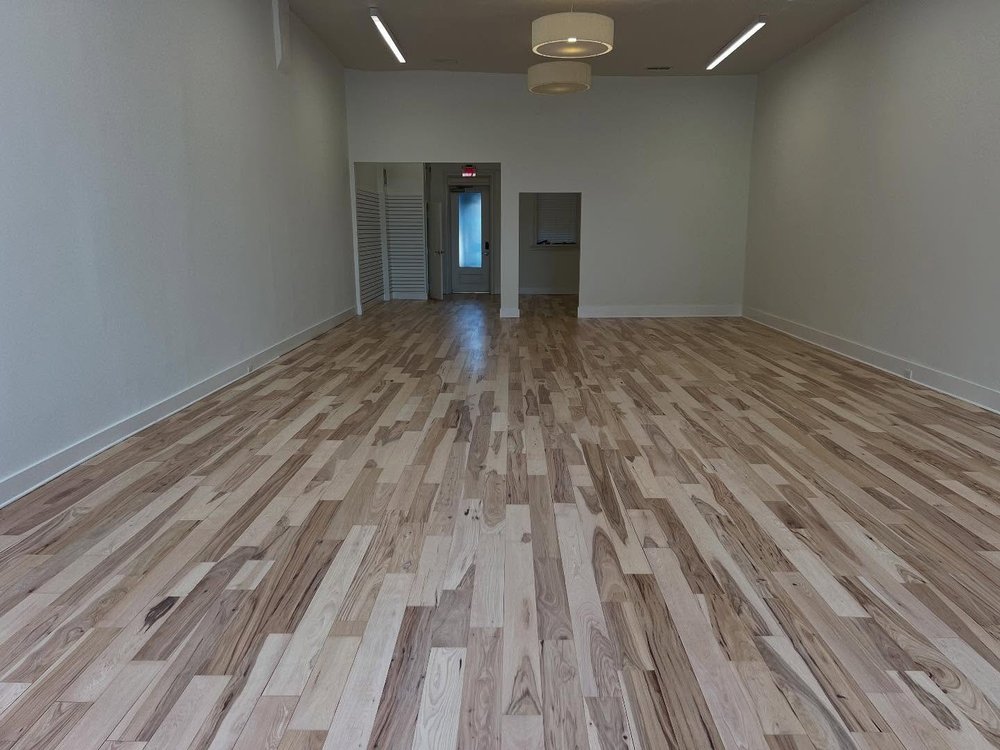
Hardwood Floor Repairs
Not every damaged floor needs to be sanded or replaced. Often the smartest, most economical move is to repair only the part that is actually broken and blend it back into the surrounding floor. At Wala Hardwood Floors LLC, we have been doing targeted residential hardwood repairs across Powder Springs, Cobb County and metro Atlanta since 2021, and our two person team is good at finding the line between a small fix and a job that needs more.
Floor damage usually has a cause behind it, and we start every repair by figuring out what happened. A water stain near a door, a pet damaged corner, a squeaky hallway, or a cupped patch in a bathroom adjacent room each point to different problems. Fixing the boards without addressing the cause means the damage comes back, so we talk through the source of the issue as part of the repair plan.
We work residential only, we give free in home quotes, and we are available Monday to Saturday from 8:00 AM to 6:00 PM. The goal of every repair is a fix that disappears into the floor so you cannot tell where the damage was.
Board Replacement and Lacing In New Boards
When individual boards are cracked, split, rotting, or stained beyond what sanding can remove, the right fix is to remove those specific boards and lace in replacements that match the species, grade and cut of the surrounding floor. Matching is more than picking the same wood name. Red oak and white oak look and take stain differently, plain sawn and rift sawn boards have different grain patterns, and a board that is too clean or too flat will stand out against an older floor.
We source boards that fit the existing floor, weave them into the surrounding planks so the seams do not line up in an obvious row, and then sand and finish the repaired area so it blends with the field. Done well, a board replacement should be invisible once the finish is on.
Water and Pet Damage
Water is the most common cause of serious floor damage. A slow leak under an appliance, a spill left too long, a door that lets rain in, or a plumbing event can blacken the wood, cup the boards, or in severe cases cause rot. Pet damage shows up as dark stains from accidents, chewed corners, and scratched finish near doors.
For water and pet damage we first confirm the source is resolved, because repairing boards over an active leak means the damage will come right back. Then we assess how deep the damage goes. Surface staining can sometimes be sanded out, but blackened or softened wood usually needs board replacement. We are honest about which boards can be saved and which need to go.
Gaps, Squeaks and Loose Boards
Gaps between boards can be seasonal and normal, or they can be a sign of humidity swings, a subfloor problem, or wood that was installed too dry. We help you tell the difference. Normal seasonal gaps that close up in more humid months are not usually something to fix, but persistent or widening gaps deserve a closer look.
Squeaks and loose boards often come from fasteners that have loosened, a subfloor that has moved, or boards that have warped away from the floor below. We resecure loose boards, address the fasteners, and quiet the spots that announce every step. These are often small, targeted fixes that make a big difference in how the floor feels to live on.
Cupping and Crowning Causes
Cupping is when the edges of a board rise higher than the center, so the floor feels like it has ridges along the seams. It is almost always a moisture imbalance, often with the subfloor wetter than the air above, which pushes the bottom of the board wider than the top. Crowning is the opposite, where the center sits higher than the edges, and it can happen when a cupped floor is sanded flat before the moisture has equalized, then dries further.
The key with both is to find and fix the moisture source first. Sanding a cupped floor flat before the wood has returned to equilibrium is how you create crowning later. We assess whether the boards will settle on their own once the moisture is addressed, or whether they need to be sanded after the floor has stabilized.
Matching the Repair to the Existing Floor
A repair only counts as successful if it disappears into the floor. That means matching the species, the cut, the grade, the stain color, and the finish sheen of the surrounding planks. We blend the repaired area into the field with sanding and finish work so the seam between old and new reads as natural variation, not a patch.
On older floors this can mean a slightly larger repair area than the damaged boards alone, so the finish transition is gradual rather than a hard line. We talk through that tradeoff during the quote so you understand why a repair sometimes extends a little beyond the obvious damage.
How We Approach a Floor Repair
Every repair starts with finding the cause and ends with a fix that blends into the surrounding floor.
- 1
Identify the Cause
We figure out what caused the damage, whether it is moisture, a pet, a loose fastener, or impact, because a repair over an unresolved cause will fail again.
- 2
Assess the Scope
We determine which boards can be sanded and saved and which need replacement, and whether the damage is isolated or part of a larger issue.
- 3
Remove and Replace Boards
We remove the damaged boards, lace in matching replacements, and resecure any loose boards so the floor is structurally sound again.
- 4
Sand and Blend
We sand the repaired area and feather it into the surrounding floor so the seam between old and new disappears into the field.
- 5
Finish and Walkthrough
We apply stain and topcoat to match the existing floor, then walk the repair with you to confirm it blends in.
Is a Repair Right for My Floor?
A repair is the right call when the damage is localized to specific boards or areas and the rest of the floor is sound. Board replacement, squeak fixes, gap assessment, and cupping diagnosis are all repair scope work that can save you from a full refinish or replacement you do not actually need.
It is not the right call when the damage is widespread, when the finish is worn across the whole floor, or when the boards are failing throughout. In those cases a full sand and refinish or a larger scope job makes more sense. We tell you honestly during the quote which path fits your floor, and we will not sell you a repair a floor does not need.
Service Area Coverage
Based in Powder Springs, GA, we provide hardwood floor repairs to homes in Cobb County (Powder Springs, Austell, Marietta, Mableton, Kennesaw, Smyrna, Acworth), Paulding, Douglas, Carroll, North Metro, and South Metro Atlanta. See the full list on our service areas page.
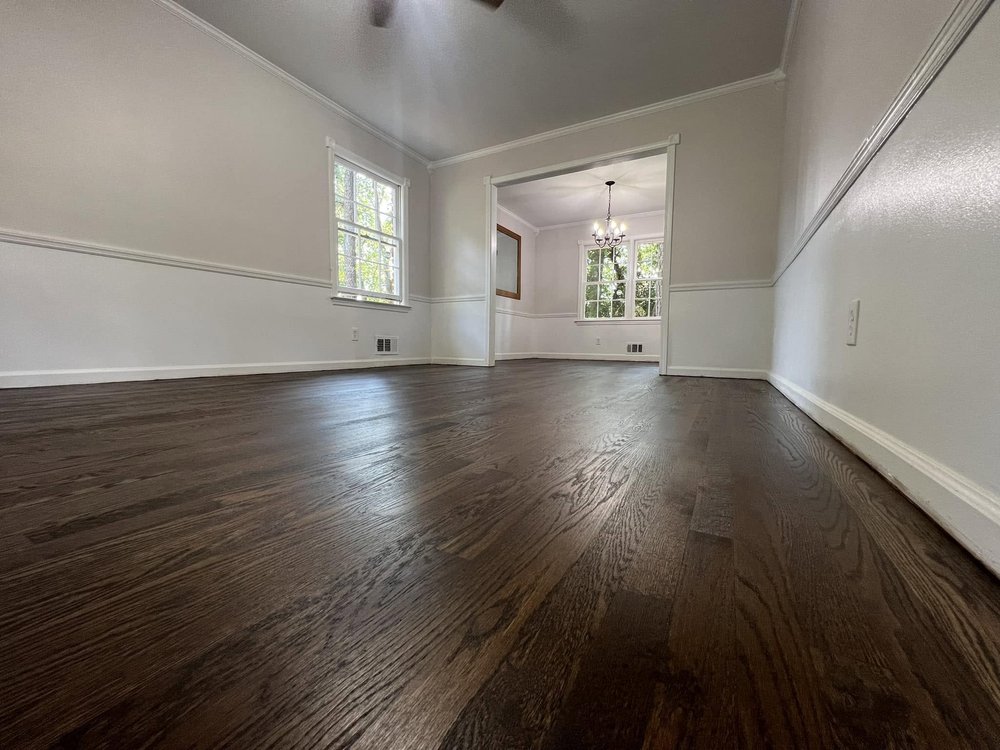
Hardwood Floor Repairs
Hardwood floor being sanded and refinished by Wala Hardwood Floors
Get Your Free Quote
Tell us about your residential flooring project. We respond promptly Monday to Saturday.
Hardwood Floor Repairs FAQ
Can you replace just a few damaged boards instead of the whole floor?
Yes. When only specific boards are cracked, stained, or rotting, we remove those boards and lace in matching replacements, then sand and finish the area so it blends into the surrounding floor.
What causes cupping in hardwood floors?
Cupping, where board edges rise above the center, is almost always a moisture imbalance, often with the subfloor wetter than the air above. The key is to find and fix the moisture source first, because sanding a cupped floor before it has equalized can cause crowning later.
Why does my floor squeak and can you fix it?
Squeaks usually come from loose fasteners, a subfloor that has moved, or boards that have warped away from the floor below. We resecure loose boards and address the fasteners, which is often a small targeted fix that makes a big difference.
Can pet stains in hardwood be sanded out?
Surface staining can sometimes be sanded out, but dark or black stains from pet accidents often penetrate too deep and require board replacement. We assess each spot honestly and tell you which can be saved and which need to go.
Do you fix the cause of water damage too?
We identify the source of water damage as part of the repair plan, because repairing boards over an active leak means the damage will come right back. We confirm the source is resolved before replacing boards, and we are honest about what we find.
Will the repaired boards match my existing floor?
We match the species, cut, grade, stain color, and finish sheen of the surrounding planks, and we feather the repair into the field with sanding and finish work so the seam reads as natural variation rather than a visible patch.
Are gaps between boards normal or a problem?
Some gaps are seasonal and normal, closing up in more humid months. Persistent or widening gaps can point to humidity swings, a subfloor issue, or wood installed too dry. We help you tell the difference during the quote.
Pair This With
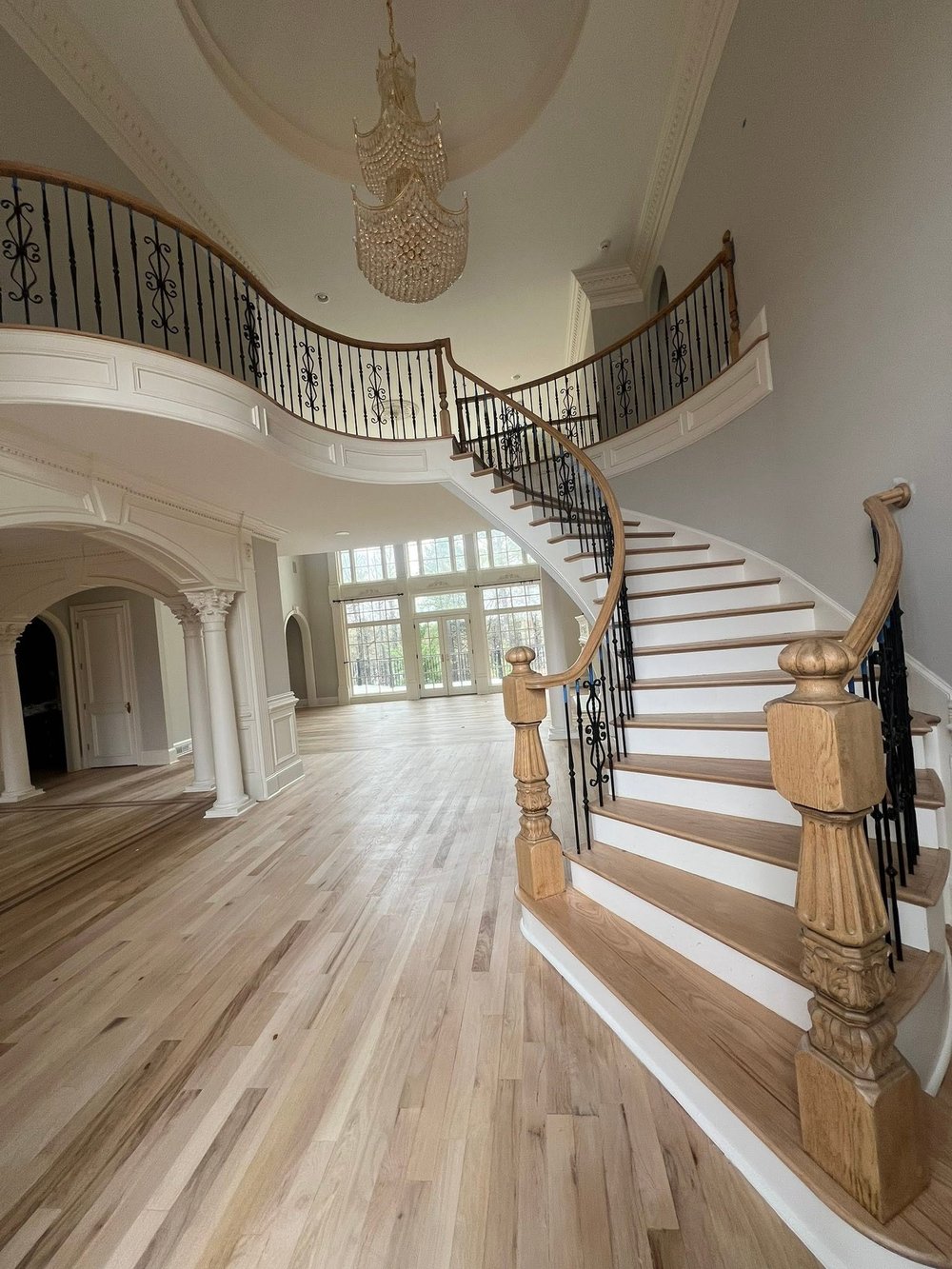
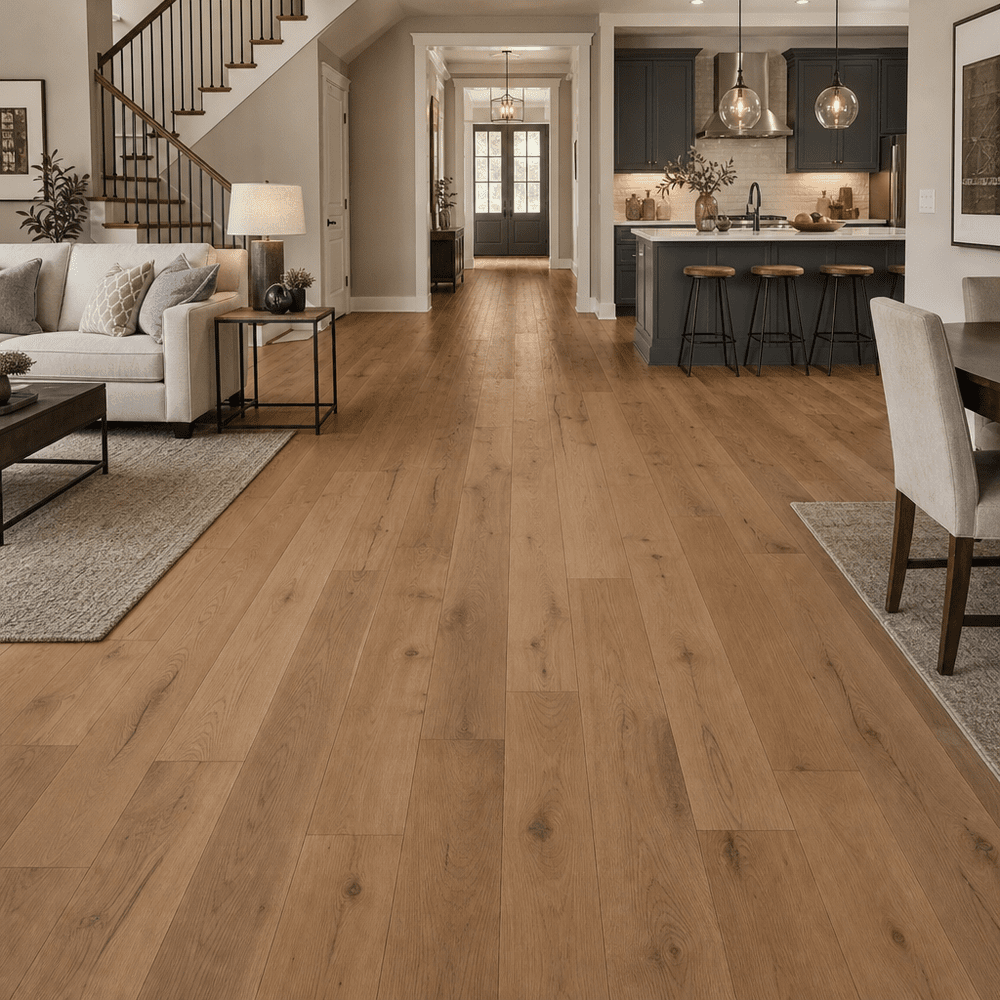
Repair the Damage, Keep the Floor
Targeted board replacement and blending let you fix what is actually broken without refinishing or replacing the whole floor.