
Luxury Vinyl Plank (LVP) Installation
Durable, water-resistant luxury vinyl plank installations for busy high-traffic residential rooms. Serving residential homeowners across Powder Springs, Cobb County, and metro Atlanta.
Luxury Vinyl Plank (LVP) Installation
Luxury vinyl plank, or LVP, is not a compromise product. For the right rooms and the right households, it is the smartest flooring choice available, and sometimes it is a better fit than hardwood. At Wala Hardwood Floors LLC, we install LVP in homes across Powder Springs, Cobb County and metro Atlanta, and our two person team has been laying it residentially since 2021.
LVP is waterproof, scratch resistant, comfortable underfoot, and available in wood and stone looks that read convincingly in a real home. It handles spilled drinks, tracked in rain, pet accidents, and dropped pans better than almost anything else, and it does it without the long off limits cure period that a refinished wood floor demands.
We are honest about what LVP is and what it is not. It is a fantastic choice for basements, kitchens, laundry rooms, mudrooms, pet areas, and rental units. It is not refinishable the way solid hardwood is, and it will not add the same resale feel as real wood in a formal living space. We help you pick the right product for the right room. For a deeper comparison, see our hardwood versus LVP guide.
When LVP Is the Smarter Choice
LVP earns its place in rooms where moisture, traffic, and mess are part of daily life. Basements and lower levels that sit on concrete are natural LVP territory because the product handles slab moisture far better than wood and does not need the same acclimation. Kitchens and laundry rooms deal with spills and appliance leaks constantly, and LVP shrugs them off.
Homes with pets do well with LVP in the rooms the animals live in most, because claws that would scratch a soft wood finish slide across vinyl without leaving marks. Rental properties benefit because LVP is durable, easy to replace in sections if a unit gets damaged, and forgiving for tenants. For any room where the priority is toughness and water resistance over the prestige of real wood, LVP is usually the right call.
Subfloor Flatness Is Everything
LVP is forgiving of moisture but unforgiving of an uneven subfloor. Because most LVP is relatively thin and rigid, a subfloor with high spots, low spots, ridges, or dips will telegraph straight through to the surface. A floor that looks wavy, clicks at the seams, or rocks underfoot almost always traces back to a subfloor that was not flat enough.
We check the subfloor for flatness before we lay a single plank, and we address high spots and fill low areas so the LVP has a consistent base. On concrete we look for cracks, curing compounds, and moisture. On wood subfloors we secure loose boards and address squeaks. The prep work is what separates an LVP floor that looks great for years from one that shows every imperfection below it.
Underlayment and What It Does
Underlayment is the thin layer between the subfloor and the LVP, and it affects how the floor sounds and feels. Some LVP has an attached underlayment, and some requires a separate roll. Underlayment cushions the step, reduces the hollow tap of a floating floor, and can help with sound transfer between levels.
We confirm whether your chosen product has attached underlayment or needs a separate layer, and we talk through what to expect underfoot. In rooms over a concrete slab, the right underlayment also adds a small measure of comfort to a surface that would otherwise feel hard and cold.
Transitions Between Rooms and Materials
Few homes are a single material from wall to wall, and the transitions between LVP and hardwood, tile, or carpet are where a job either looks finished or looks thrown together. We plan transition points at doorways and openings so the change from one material to another reads as intentional.
When LVP meets hardwood that has been refinished, we match the transition so the seam between the two is clean and stable. When LVP meets tile in a kitchen or bath, we handle the height difference between the two surfaces. Good transitions are a detail that separates a professional install from a box store special.
What LVP Cannot Do
We are straight with you about the limits of LVP. It cannot be sanded and refinished the way solid hardwood can. If an LVP plank is deeply gouged or the surface wears down over many years, the fix is replacing that plank or section, not refinishing the whole floor. The wear layer is what it is, and when it is done, it is done.
LVP also does not carry the same resale feel as real hardwood in formal living and dining spaces. Buyers tend to read genuine wood as a premium feature, and LVP, however good looking, does not carry the same weight in those rooms. That is why we often recommend a mix: real wood where it earns its keep, and LVP where toughness and water resistance matter most. See our hardwood versus LVP guide for a room by room breakdown.
How We Install LVP
A good LVP install lives or dies on subfloor prep, so our process front loads the work that matters most.
- 1
Free Quote and Product Talk
We measure the rooms, inspect the subfloor, and talk through whether LVP is the right pick for the space and which underlayment approach fits. You get a clear quote.
- 2
Subfloor Flatness Check
We check the subfloor for high spots, dips, and ridges, and we address them so the LVP has a consistent, flat base to sit on.
- 3
Underlayment and Layout
We install the right underlayment if needed, then lay out the plank direction and starter rows so the floor lines up with the room and the light.
- 4
Plank Install and Seam Check
We click or lock the planks row by row, checking for tight seams, proper stagger, and a flat field with no rocking or gaps.
- 5
Transitions and Walkthrough
We finish the transitions to adjoining materials, trim out the edges, and walk the floor with you to confirm it sits flat and clean.
Is LVP Right for My Floor?
LVP is the right call for basements, kitchens, laundry rooms, mudrooms, pet areas, and rentals, and anywhere that moisture and tough daily use matter more than the prestige of real wood. It is also a strong pick over concrete slabs where wood would require extra moisture mitigation.
It is not the right call when you want a floor you can refinish decades from now, or when resale feel in a formal space is the priority. In those rooms solid hardwood is usually the better long term play. We help you decide room by room, and we will tell you plainly when hardwood is the better fit. For the full comparison, see our hardwood versus LVP guide.
Service Area Coverage
Based in Powder Springs, GA, we provide luxury vinyl plank (lvp) installation to homes in Cobb County (Powder Springs, Austell, Marietta, Mableton, Kennesaw, Smyrna, Acworth), Paulding, Douglas, Carroll, North Metro, and South Metro Atlanta. See the full list on our service areas page.
Luxury Vinyl Plank (LVP) Installation
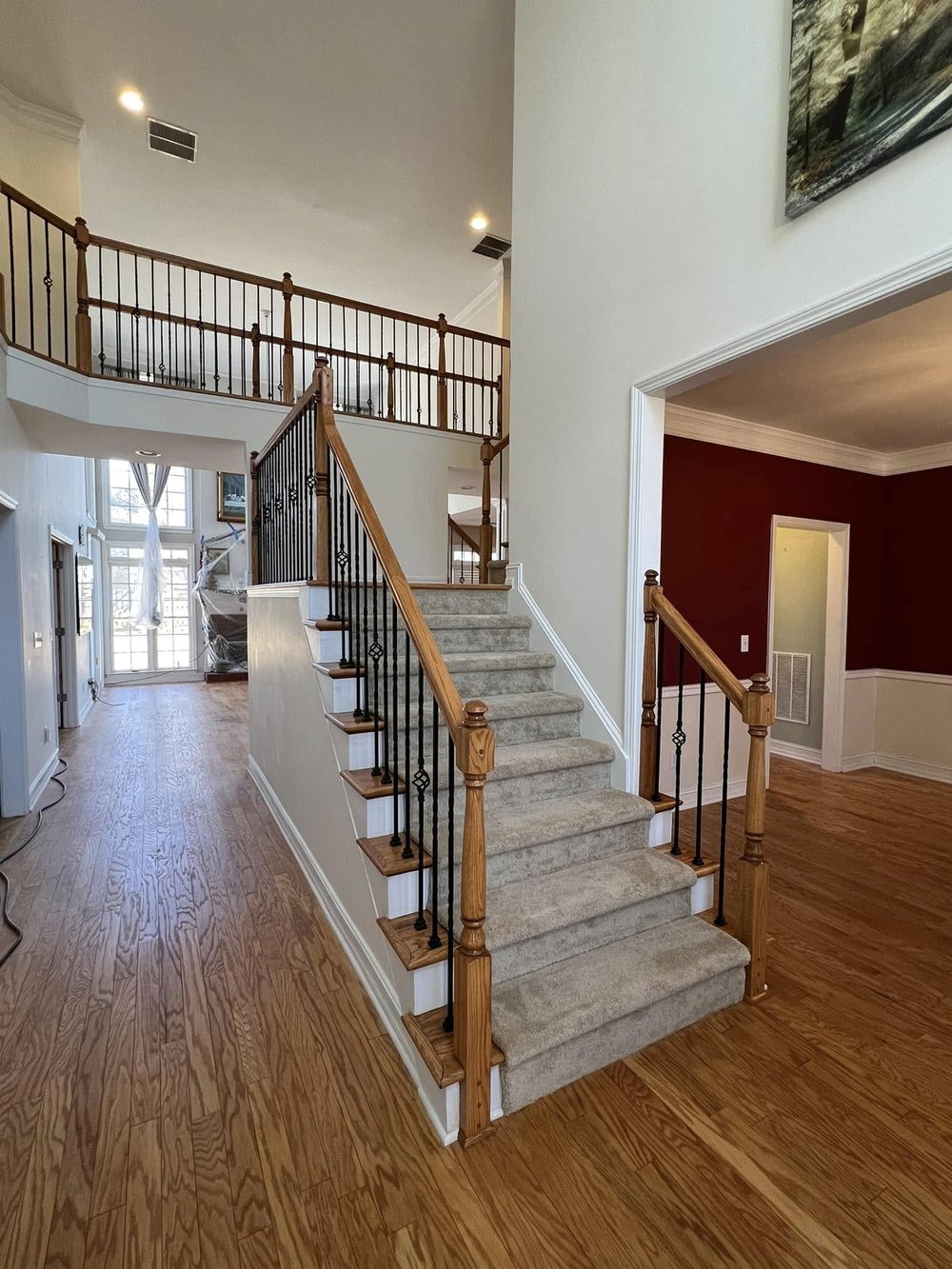
Smooth finished hardwood floor by Wala Hardwood Floors
Get Your Free Quote
Tell us about your residential flooring project. We respond promptly Monday to Saturday.
Luxury Vinyl Plank (LVP) Installation FAQ
Is LVP waterproof?
LVP is highly water resistant and handles spills, tracked in rain, and pet accidents far better than wood. It is a strong choice for basements, kitchens, laundry rooms, and mudrooms where moisture is part of daily life.
Can LVP be refinished like hardwood?
No. LVP cannot be sanded and refinished. If a plank is deeply gouged or the surface wears down over many years, the fix is replacing that plank or section, not refinishing the whole floor.
Why does subfloor flatness matter so much for LVP?
LVP is relatively thin and rigid, so high spots, dips, and ridges in the subfloor telegraph straight through to the surface. A wavy floor, clicking seams, or rocking planks almost always trace back to a subfloor that was not flat enough.
Does LVP need underlayment?
Some LVP has an attached underlayment and some requires a separate roll. Underlayment cushions the step, reduces the hollow tap of a floating floor, and helps with sound transfer between levels. We confirm what your product needs during the quote.
Is LVP good for homes with pets?
Yes. Claws that would scratch a soft wood finish tend to slide across vinyl without leaving marks, and the water resistance handles accidents well. Many pet owners choose LVP for the rooms the animals live in most.
How do you handle transitions between LVP and hardwood or tile?
We plan transition points at doorways and openings so the change from one material to another reads as intentional. We match the height difference between surfaces and keep the seam clean and stable.
Should I choose LVP or hardwood?
It depends on the room. LVP is the smarter pick where moisture, traffic, and mess matter most. Hardwood is the better long term play where you want a refinishable floor and resale feel. We help you decide room by room, and you can read our hardwood versus LVP guide for the full breakdown.
Pair This With
LVP Done Right, Room by Room
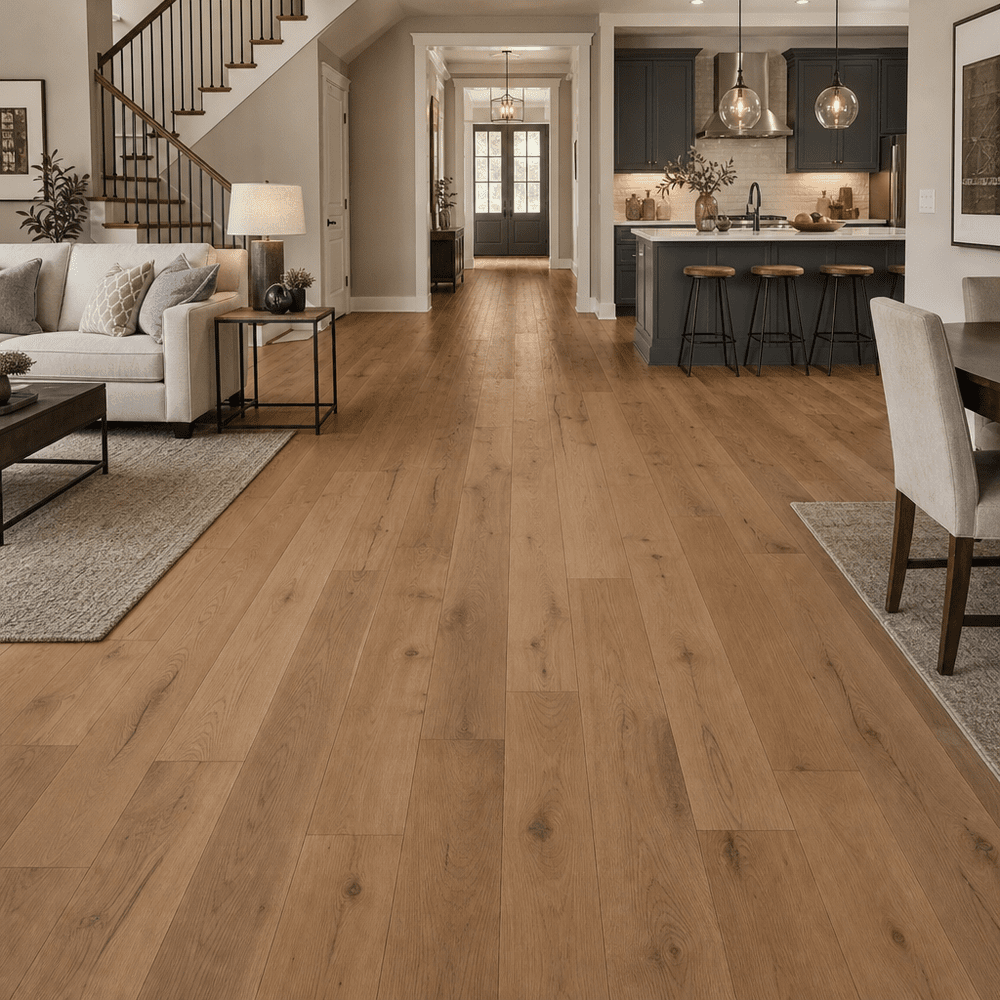
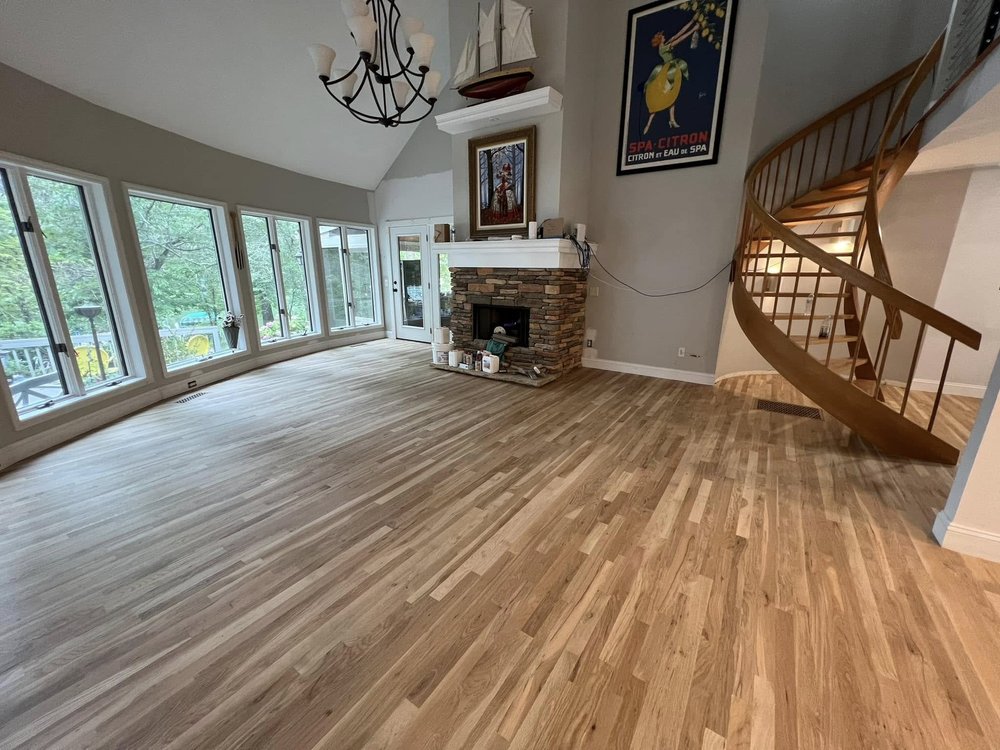
Flat subfloors, the right underlayment, and clean transitions make LVP look and feel like a finished floor, not a temporary one.